
Open Hours
Monday – Friday: 9am – 5pm
Saturday – Sunday: Closed
Closed for lunch: 12pm – 1pm
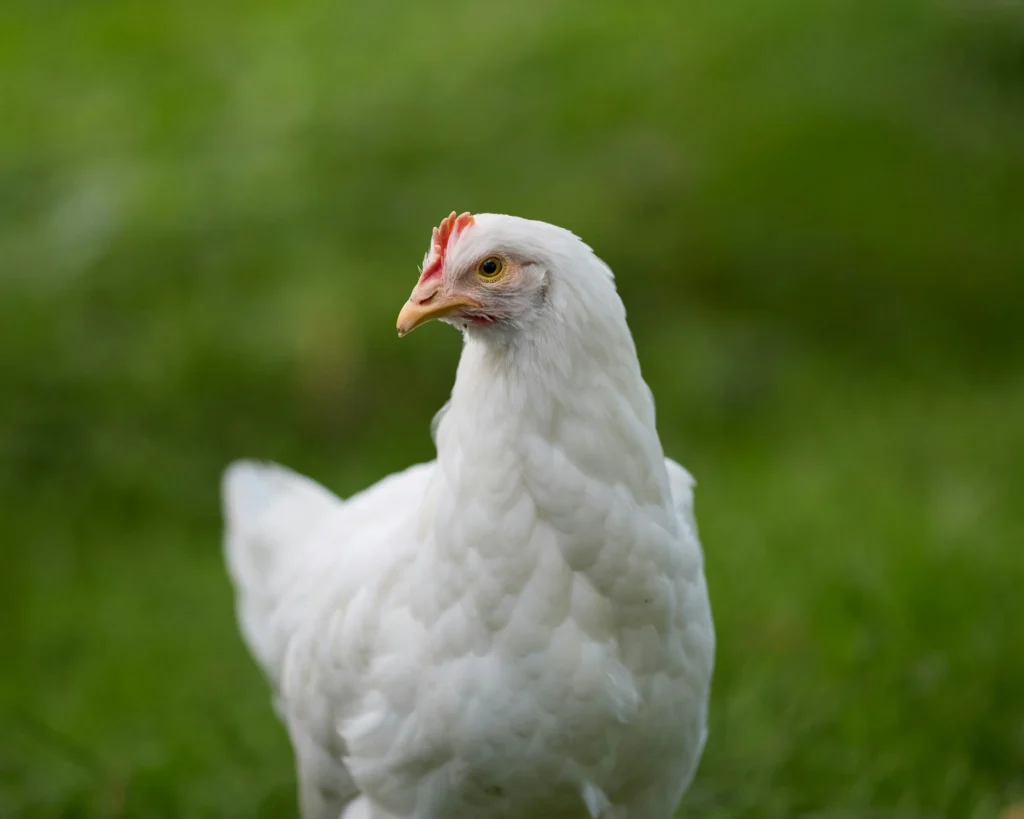
Poultry production is one of the most capital-intensive and risk-exposed agricultural operations in Southwest Missouri. One disease outbreak, one equipment failure, one severe weather event — and a year’s worth of production can be gone before you can get a vet on the phone. White’s Insurance Agency has insured Barry County and Southwest Missouri poultry operations for four generations. As an independent agricultural insurance agent, we build poultry insurance packages from multiple carriers — covering your flocks, your facilities, your equipment, your liability, and your income — because we know that for poultry growers, there’s no such thing as a small risk.
White’s Insurance Agency builds poultry insurance packages tailored to the specific risks of Southwest Missouri poultry production — whether you’re a contract broiler grower, an independent layer operation, a breeder flock facility, or a mixed agricultural operation with poultry as a component. Here is what we cover.
Poultry mortality insurance — also called flock insurance or bird insurance — pays out when your birds die from a covered cause during the grow-out or production cycle. For operations where each flock represents tens of thousands of dollars in placement cost and production value, poultry mortality coverage is the financial foundation of a complete poultry insurance program.
What It Covers: Death of covered birds from named perils — typically including fire, lightning, windstorm, flooding, equipment failure (power or mechanical), and in some policies, disease outbreak and suffocation events.
Coverage Scope by Operation Type: Broiler grow-out operations, layer flocks, breeder flocks, and pullet operations each carry different mortality risk profiles and flock values. We structure mortality coverage to reflect the actual value and risk profile of your specific birds and production cycle.
Per-Bird vs. Per-Flock Coverage: Poultry mortality policies may be structured on a per-bird value or total flock value basis. We review the structure that best matches how your integrator agreement or production contract defines flock value and your financial exposure.
Flock Value Accuracy: Coverage limits must reflect the current market value of your birds at various stages of the production cycle — not the value at placement alone. We review flock valuation methodology carefully to avoid payout gaps at claim time
Disease is one of the most financially devastating risks in poultry production — and one of the most complex to insure. A single reportable disease event can trigger mandatory depopulation, extended quarantine, and a complete production shutdown. Standard agricultural insurance policies rarely address these exposures adequately. White’s Insurance Agency specifically evaluates disease-related coverage options for Southwest Missouri poultry operations.
Avian Influenza Coverage: Avian influenza (bird flu) is among the most significant disease risks for commercial poultry operations in the U.S. Depopulation orders triggered by an avian influenza outbreak can result in the total loss of a flock — plus the costs of cleanup, disinfection, and the waiting period before restocking. We discuss available coverage options for avian influenza exposure based on current carrier offerings and program availability.
Disease Outbreak Coverage: Beyond avian influenza, poultry operations face disease risks from Newcastle disease, infectious bronchitis, Marek’s disease, and other pathogens that can cause significant mortality or production losses. Coverage for disease-related flock losses varies significantly by carrier and policy — we review what’s available for your specific operation type.
Biosecurity & Coverage Conditions: Most poultry disease coverage policies require documented biosecurity protocols — disease prevention measures, sanitation protocols, and vaccination programs — as a condition of coverage. We help you understand what biosecurity standards your carrier requires and how your current practices align with those conditions.
Government Program Coordination: In the event of a USDA-mandated depopulation for a reportable disease, federal indemnity programs may provide some compensation. Private poultry disease coverage can fill the gap between federal indemnity payments and your actual financial loss. We discuss how these programs interact with your private insurance coverage.
Poultry production is mechanically intensive. Ventilation fans, heating and cooling systems, automatic waterers, feeding systems, egg collection equipment, and backup generators run continuously — and when they fail, birds die quickly. Poultry equipment insurance covers the repair or replacement of covered equipment, protecting you from the double loss of failed equipment and the flock it was supposed to protect.
What It Covers: Physical damage to covered poultry production equipment from fire, windstorm, lightning, and other insured perils. Equipment breakdown coverage extends protection to losses from mechanical or electrical failure — not just external damage.
Equipment Breakdown Coverage: A ventilation fan that seizes up on a 100-degree day isn’t covered by a standard property policy — that’s a mechanical breakdown, not physical damage from a named peril. Equipment breakdown coverage is a critical addition to your poultry insurance package that covers exactly this scenario.
Critical Systems: We inventory the equipment your operation depends on — including fans, heaters, curtain systems, watering lines, automated feeders, generators, and egg handling equipment — and make sure your coverage limits reflect current replacement costs for each system.
Business Interruption Link: Equipment failure that causes a flock loss should trigger both your poultry mortality coverage and your business interruption coverage. We structure your policy components to work together so a single event doesn’t create multiple uncovered losses.
Poultry grow-out houses, layer barns, breeder facilities, feed storage, and support structures represent major capital investments — often the single largest asset on a poultry operation. Poultry facility insurance covers these structures against damage or destruction from covered perils, including the severe weather events that Southwest Missouri poultry operations face every year.
What It Covers: Physical damage to poultry buildings and agricultural structures from fire, windstorm, hail, lightning, ice, and other covered perils. In Southwest Missouri, tornado risk and severe thunderstorm activity make adequate poultry facility coverage non-negotiable.
Replacement Cost Coverage: Poultry houses are expensive to build at current construction costs — and many facilities were built years or decades ago when costs were lower. Actual cash value coverage pays a depreciated amount that may fall far short of what it costs to rebuild. We strongly recommend replacement cost coverage for poultry facilities so that a total loss doesn’t leave you unable to rebuild.
Specialized Construction: Modern poultry houses include specialized environmental control systems, insulation, specialized flooring, and biosecurity infrastructure that standard farm building values may not capture. We make sure your facility valuation reflects the true rebuild cost of a fully equipped poultry house — not just the shell.
Support Structures: Catch sheds, dead bird composting facilities, feed bins, water systems, and other support infrastructure need to be inventoried and covered alongside the primary poultry houses.
Poultry farm liability insurance protects your operation from third-party claims arising from your poultry production activities — bodily injury to visitors or workers, property damage caused by your operation, environmental claims, and other liability exposures specific to poultry farming. Standard homeowners liability coverage does not extend to commercial poultry production.
What It Covers: Bodily injury and property damage claims arising from your poultry operation — a contractor injured on your property, a neighbor who claims your operation’s waste or runoff caused property damage, a visitor who is hurt during a facility tour.
Environmental & Odor Liability: Poultry operations generate waste that can create environmental liability exposure — including litter management, runoff, and odor complaints from neighboring properties. We discuss available liability coverage options for environmental exposures specific to poultry production.
Commercial Farm vs. Personal Liability: A personal homeowners or farm liability policy typically excludes commercial poultry production operations. A dedicated poultry farm liability coverage component — either as part of your agricultural insurance package or as a standalone commercial farm insurance policy — is essential.
Contract Grower Liability: If you operate under an integrator contract, your contract agreement may specify minimum liability insurance requirements. We review your grower agreement and make sure your coverage meets or exceeds those requirements — and address any exposures the contract doesn’t indemnify.
Workers on Your Operation: If you employ workers — family members or outside labor — on your poultry operation, workers’ compensation and employer liability considerations apply. We review your employee situation and make sure your liability program addresses those exposures.
Business interruption insurance — sometimes called farm income protection or production loss coverage — replaces lost income when a covered loss forces your poultry operation to suspend or reduce production. In an industry where income is tied directly to completed grow-out cycles and production contracts, a forced shutdown can mean zero revenue for weeks or months while fixed obligations continue.
What It Covers: Lost production income during the period your operation is shut down or reduced following a covered loss — facility fire, disease-related depopulation, equipment failure that causes a flock loss, or other insured events that interrupt your production cycle.
Fixed Expense Coverage: Loan payments, utility costs, contracted service agreements, and other fixed expenses that continue during a shutdown are included in business interruption coverage — giving your operation the financial runway to recover and restart.
Contract Grower Income Loss: For contract broiler growers, income interruption can be especially complex — lost grow-out fees, additional costs imposed by the integrator during a depopulation, and the gap between flock placements. We work through the income structure of your operation and make sure business interruption coverage reflects your actual financial exposure.
Recovery Timeline: Poultry house cleanup, disinfection, and biosecurity clearance after a disease event can take months before a new flock can be placed. Business interruption coverage should reflect the realistic timeline of your specific operation type.
Poultry feed represents a significant ongoing expense and, in some coverage structures, can be insured as part of a broader farm property policy. Feed stored on-site — whether owned feed or feed placed by an integrator — may be at risk from fire, flood, contamination, or other perils. We review feed ownership arrangements and insurance options specific to your operation’s structure.
On-Site Feed Storage: Owned feed stored in bins or feed rooms on your property may be covered under your farm property policy as business personal property. We make sure your property coverage includes stored feed at current replacement values.
Integrator-Owned Feed: In contract growing arrangements, feed is typically owned and supplied by the integrator — meaning your insurance responsibility for feed may be limited. We review your grower contract to clarify who carries insurance responsibility for feed and other supplied inputs.
Contamination Risk: Feed contamination — whether from pests, moisture, mold, or other causes — can be a significant production loss risk. Coverage for feed contamination varies by policy and carrier; we discuss available options for your situation.
A comprehensive poultry insurance program for a Southwest Missouri operation typically includes: poultry mortality insurance (covering flock losses from fire, equipment failure, weather, and other named perils); poultry disease coverage (including avian influenza and other outbreak risks); poultry equipment insurance covering ventilation, heating, feeding, and watering systems; poultry facility insurance for grow-out houses, barns, and support structures; poultry farm liability coverage for third-party bodily injury and property damage claims; and business interruption insurance covering lost income during a forced production shutdown. Coverage scope and availability vary by carrier and operation type — White’s Insurance Agency builds packages tailored to each operation’s specific risk profile.
Avian influenza coverage is available through certain agricultural insurance carriers and programs, but it is not automatically included in all poultry farm insurance policies. Coverage for avian influenza — including depopulation costs, cleanup and disinfection, and the waiting period before restocking — varies significantly by carrier, policy type, and program availability. In the event of a federally mandated depopulation, USDA indemnity programs may provide partial compensation. Private avian influenza coverage can supplement those payments. We discuss available disease outbreak coverage options with each poultry operator based on current carrier offerings and your specific operation type.
Poultry mortality insurance covers the financial value of birds that die from covered causes during the production cycle — it’s coverage for your flock. Farm liability insurance protects you from third-party claims arising from your operation — a visitor or contractor injured on your property, a neighbor who claims your operation caused them damage, or an environmental liability claim. Both are essential components of a complete poultry insurance package. Mortality coverage protects your production asset; liability coverage protects you from claims made against you as a property owner and operator.
White’s Insurance Agency has served families, farmers, and businesses across Southwest Missouri for four generations. As an independent insurance agency, we shop multiple carriers to find you the right coverage at the best price — with the personal service you deserve.


White Insurance Agency works hard for their clients to find the best coverage for an affordable price that will meet your family’s needs. I recommend them to anyone. You’re respected and treated like family. Thanks Lea for listening and working hard to lower our rates.
Really the best place to visit the staff is very friendly and the director Amanda is very sweet and always attentive. We do reenactments once a year and I always look forward to it every year. The whole family participates and it is family friendly. Little tip bring some ear plugs for the little one they tend to be scared of the loud canyon so they don't miss out. And when you visit you must sign in your name and where you're from. Help support the museum.
